For more than 30 years, the Research and Testing Center "Reliability" has been making a significant contribution to Igor Sikorsky Kyiv Polytechnic Institute as an important part of the university's research infrastructure. The Center serves as the university's testing and research unit, specializing in the evaluation of the physical and mechanical properties of materials and products, with particular emphasis on their strength and reliability under load.
Far more than a conventional testing laboratory, the Center has become a recognized center of expertise in the testing and analysis of materials and engineering structures, strengthening both the educational and research capabilities of the university. Its activities contribute to the advancement of engineering science, the training of highly qualified specialists, and support for industry in ensuring the quality and safety of materials and manufactured products.
The history of the Reliability Research and Testing Center is a story of the gradual development of the university's testing infrastructure—from a laboratory within the Department of Dynamics and Strength of Machines into a key component of Igor Sikorsky Kyiv Polytechnic Institute's research and technological infrastructure. Today, the Center supports both the educational process and research in materials science and engineering and has earned recognition far beyond the university.
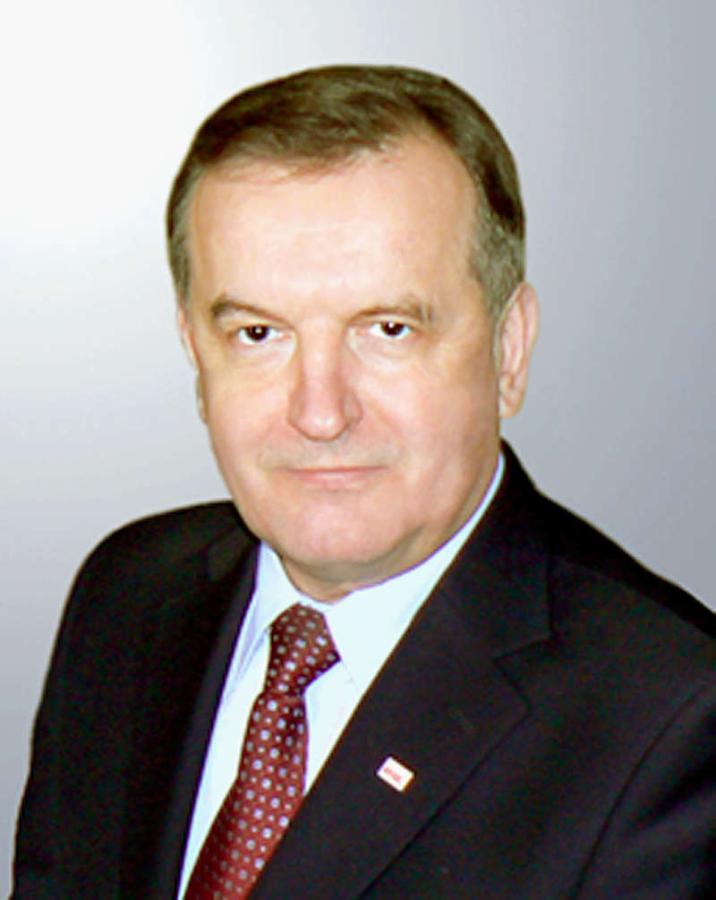 Work in the field of certification testing at the Department of Dynamics, Strength of Machines, and Strength of Materials began as early as 1994. That year, the Testing Laboratory of Mechanics of Polymer and Composite Materials (headed by Associate Professor Mykola Shydlovskyi, PhD in Engineering) became the first laboratory at the National Technical University of Ukraine to be accredited within the Ukrainian State Certification System (UkrSEPRO). At the same time, other research areas were also developing within the department. This growth required both organizational changes and a significant expansion of activities, creating the need for a unified research and testing center that would integrate all laboratories and research направления into a single structure. The founder and principal architect of the Center was Professor Mykola Bobyr, Doctor of Engineering. Thanks to his dedicated efforts, the Reliability Research and Testing Center was established by Rector's Order No. 1-57 of April 18, 1995, as the university's testing unit for conducting advanced testing of materials and engineering products. As early as 1996, the Center expanded its scope of accreditation when the State Committee of Ukraine for Standardization granted authorization to perform certification testing of vehicle components.
Throughout its existence, the Center has repeatedly undergone accreditation and compliance assessments (in 1996, 1999, 2002, 2007, 2010, 2014, 2019, and 2022) in accordance with the requirements of the DSTU ISO/IEC 17025 standard, General Requirements for the Competence of Testing and Calibration Laboratories, and has been awarded the corresponding Accreditation Certificates by the National Accreditation Agency of Ukraine.
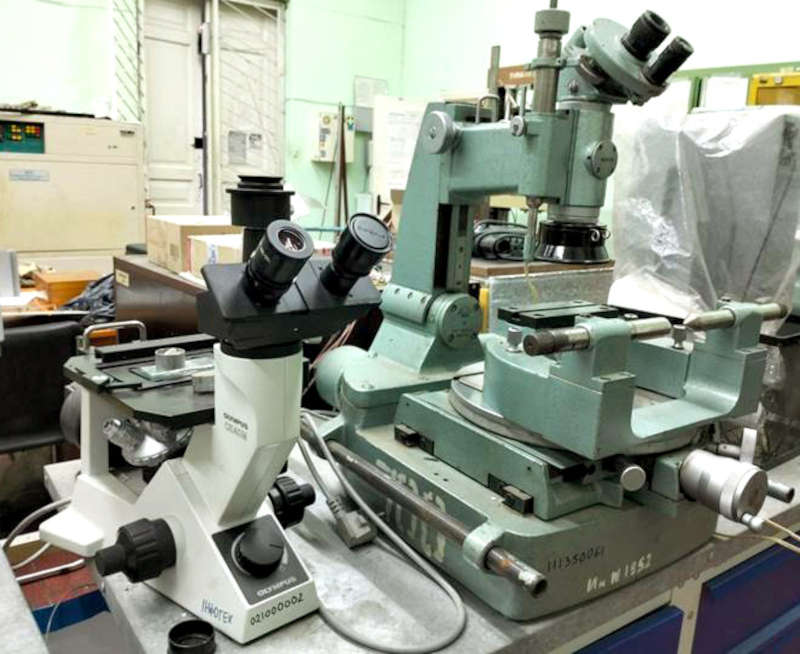
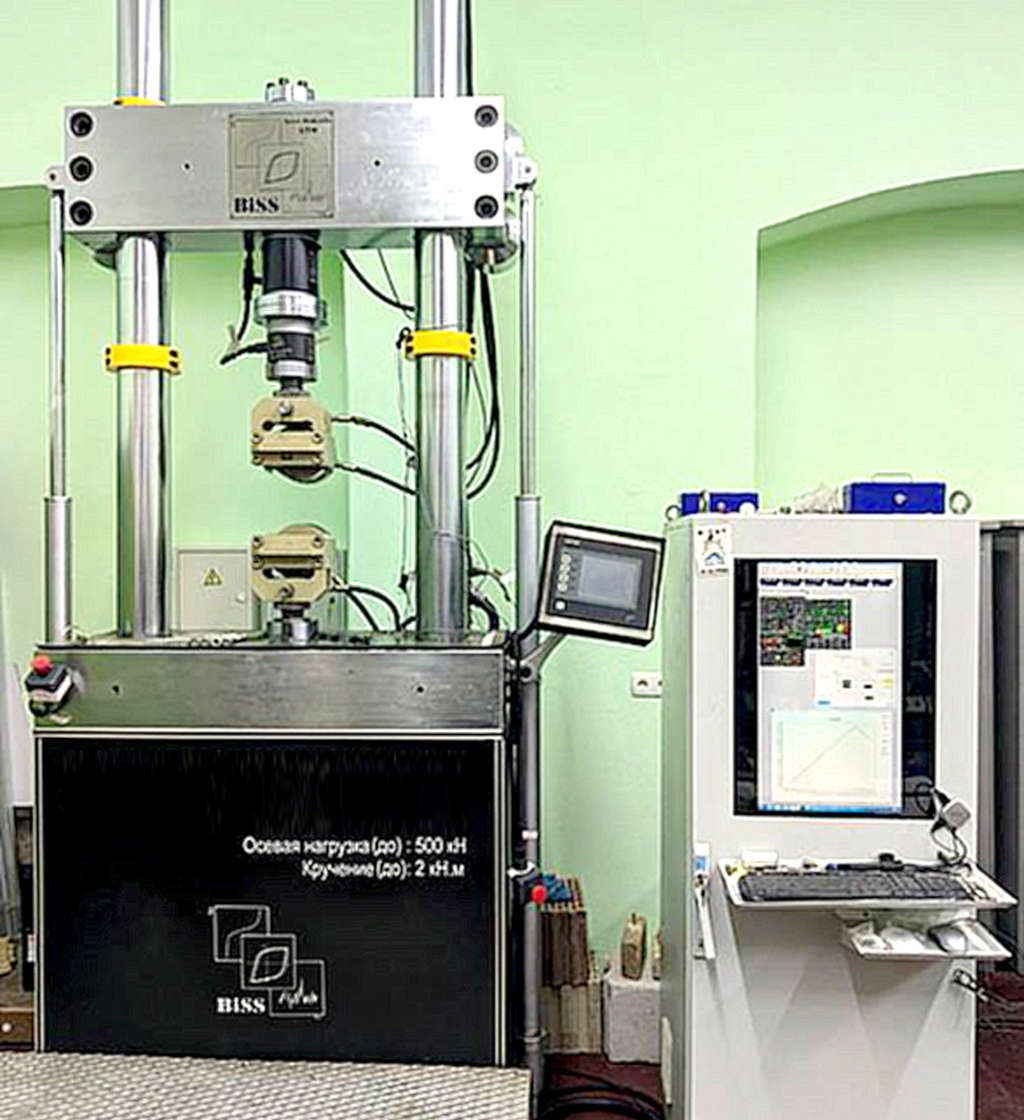
The Mechanical Engineering Institute established a comprehensive certification system for mechanical engineering products and quality management systems, consisting of a network of testing laboratories (later reorganized into departments) integrated into the Center and a Certification Body. Within their respective scopes of accreditation, these laboratories carry out extensive testing of the physical and mechanical properties of materials, the service-life characteristics of critical components and assemblies, as well as the electromechanical parameters of vehicles and metalworking equipment. In the field of strength testing, the Center operates a broad range of testing facilities, enabling it to perform a full spectrum of mechanical investigations—from nanofibers to structural components weighing up to 100 tonnes.
Students from various departments of the Mechanical Engineering Institute are actively involved in the Center's testing activities. Many complete their bachelor's and master's theses based on research conducted at the Center. As a result, real industrial projects commissioned by enterprises and government agencies become the basis for student research, providing valuable opportunities to develop practical skills through experimental work using advanced testing equipment.
The founder of the Reliability Research and Testing Center, Professor Mykola Bobyr, served as its Director until 2012. Since then, he has continued to oversee its activities as Scientific Director. In 2012, Associate Professor Andrii Grabovskyi, PhD in Engineering, was appointed Director, assuming responsibility for the Center's technical management and successfully leading its operations until 2020. In 2020, the position of Director was assumed by Oleksandr Bondarets, PhD in Engineering and Junior Research Fellow, who continues to lead the Center today. Judging by the growth in commissioned research for industrial enterprises and government organizations, the Center's workload has more than doubled over the past five years. At the same time, the complexity of its testing and research has increased significantly, particularly in the field of the strength and reliability of advanced composite materials. Today, the Reliability Research and Testing Center is effectively the only institution in Ukraine capable of conducting a complete range of physical and mechanical tests for modern composite materials.
Today, the Center's primary activities include testing structural materials and engineering products for a wide range of applications, developing new testing methods and equipment, and conducting extensive research in the fields of the strength and reliability of materials and structural components.
An important area of the Center's work is testing and technical investigations conducted as part of forensic examinations. At the request of the Kyiv Scientific Research Institute of Forensic Expertise, the Center performs specialized testing to support Ukrainian law enforcement agencies, including the National Anti-Corruption Bureau of Ukraine, the Office of the Prosecutor General of Ukraine, and the National Police of Ukraine.
Today, the Reliability Research and Testing Center comprises seven actively operating and continuously developing departments:
- Department of Composite Materials Testing (Head – Associate Professor Andrii Grabovskyi, PhD in Engineering);
- Department of Mechanical Testing of Vehicle Components (Head – Associate Professor Andrii Babak, PhD in Engineering);
- Department of Hydromechanical Testing of Components and Assemblies (Head – Associate Professor Ihor Hryshko, PhD in Engineering);
- Department of Mechanical Testing of Construction Materials, Products, and Transport Equipment (Head – Associate Professor Oleksandr Tymoshenko, PhD in Engineering);
- Department of Lifting and Transport Equipment Testing (Head – Associate Professor Volodymyr Koval, PhD in Engineering);
- Department of Electromechanical Testing of Vehicle Components (Head – Professor Oleksandr Shevchenko, Doctor of Engineering);
- Department of Biomechanical Testing (Head – Oleksandr Musiienko, PhD).
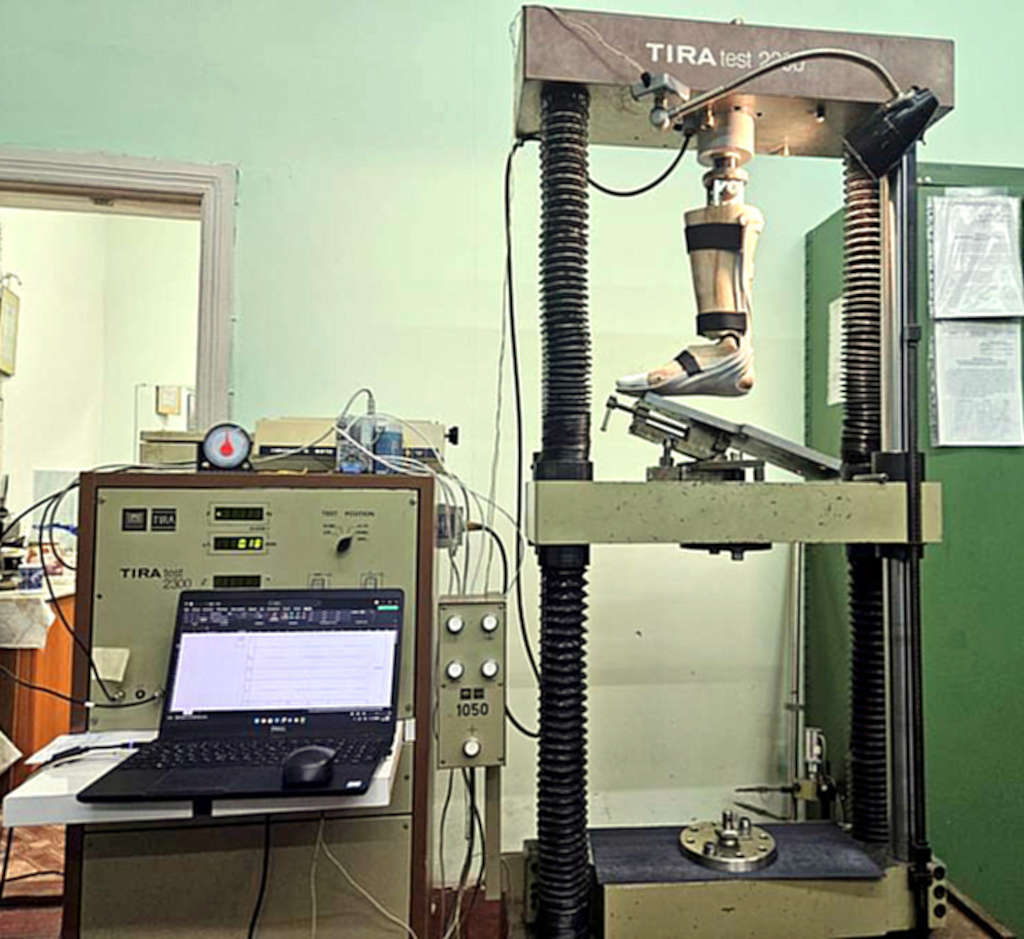
Experimental research in biomechanics has long been conducted at the Department of Dynamics and Strength of Machines and Resistance of Materials (the Biomechanics Laboratory was headed by Associate Professor Mykola Shydlovskyi, PhD in Engineering). However, this research area was formally incorporated into the Reliability Research and Testing Center only in 2025. The work is carried out at the Department's Biomechanics Laboratory under the supervision of Oleksandra Musiienko, PhD. In 2023, she became the first researcher at the Department to earn a Doctor of Philosophy degree with a dissertation entitled Strength and Deformability of Osteosynthesis Systems Considering the Properties of Damaged Bone Tissue and Its Artificial Substitutes, in the specialty Applied Mechanics. This research area has proven exceptionally relevant under current conditions and offers considerable potential for further development. The laboratory is currently conducting full-scale tests to determine the mechanical stability and stiffness of lower-limb orthotic systems. The next stage of research will focus on mechanical testing of prosthetic sockets—the structural components of limb prostheses that come into direct contact with the residual limb and transfer the body's load to the prosthesis. These tests are intended to verify the mechanical strength, durability, and safety of individually manufactured medical devices, while also providing the evidence required for technical documentation and the subsequent certification of these products.
The Reliability Research and Testing Center has always been more than just a technical laboratory. It is a research hub where undergraduate and graduate students gain hands-on experience working with advanced materials, while researchers develop and refine testing methods and analytical techniques.